Do Listed Buildings Need an EPC?
If you’re the owner of a listed property in the UK, you may have come across conflicting advice about Energy Performance Certificates (EPCs). Some sources say all homes need them. Others insist listed buildings are exempt. So what’s the truth?
The answer isn’t as straightforward as you might think. Whether your listed building needs an EPC depends on how the property is being used — and what improvements are practical or permitted under conservation rules.
Let’s clear up the confusion, explain the rules, and explore why modern solutions like Fineo vacuum glazing are giving listed homeowners a way to balance heritage protection with energy efficiency.
What Is an EPC?
An Energy Performance Certificate is a rating system that measures how energy-efficient a property is. It uses a scale from A (most efficient) to G (least efficient) and includes recommendations for improvement.
EPCs are required when a property is rented out.
They’re part of the government’s drive to reduce carbon emissions and help buyers and tenants make informed choices.
Are Listed Buildings Exempt from EPCs?
The law states that listed buildings may be exempt from the requirement to provide an EPC, but only if compliance with minimum energy standards would “unacceptably alter” their character or appearance.
In practice, this means:
If you’re selling or renting a listed property, you should check with your local authority or estate agent whether an EPC is required. Many are marketed without one.
If an EPC is produced, some of the recommendations (like replacing single glazing with standard double glazing) may not be legally or practically possible in a listed building.
So, listed buildings aren’t automatically exempt — but they are often treated as such in recognition of the difficulties in applying standard energy measures.
Why the EPC Question Matters
For most homeowners, an EPC is a box-ticking exercise. But for listed building owners, it has bigger implications:
Selling a property: Buyers increasingly expect to see an EPC, even if the property is exempt.
Letting a property: Current rules require rental properties to achieve at least an EPC rating of E. While listed buildings are often exempt, landlords may still face pressure to show efficiency improvements.
Future-proofing: With the government tightening energy standards, even exempt properties may face growing scrutiny.
The Energy Challenge in Listed Buildings
Listed buildings are notoriously hard to make energy efficient. Thick stone walls, original timber windows, and heritage restrictions all limit what can be changed.
Common EPC recommendations — cavity wall insulation, uPVC double glazing, solar panels — often aren’t viable. This leaves owners stuck between rising energy costs and strict conservation rules.
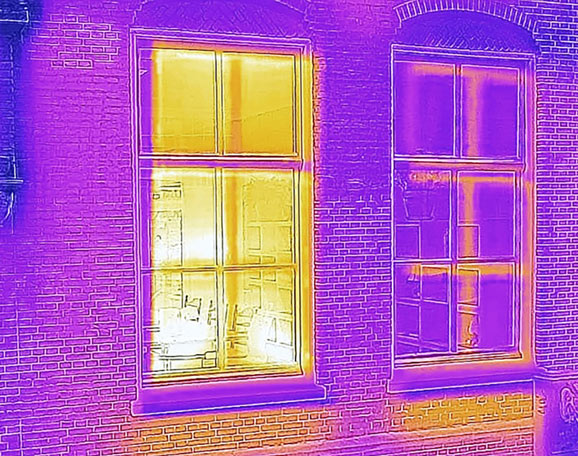
Windows, in particular, are a major source of heat loss. Original single glazing has U-values around 5.8 W/m²K, meaning heat escapes rapidly. Yet standard double glazing is usually prohibited because it alters sightlines and frames.
How Vacuum Glazing Helps Bridge the Gap
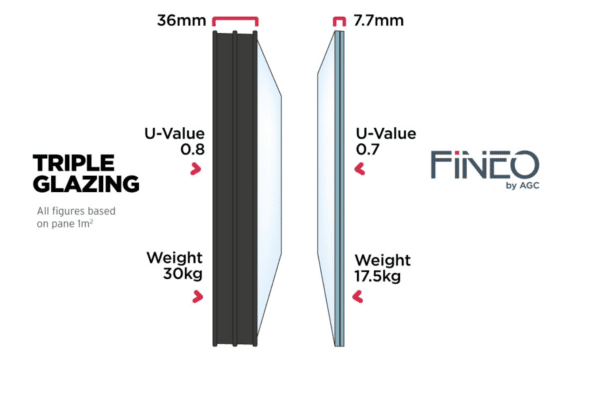
This is where Fineo vacuum glazing makes a difference. By using a 0.2–0.5mm vacuum between panes instead of gas, Fineo achieves U-values as low as 0.4–0.7 W/m²K — better than triple glazing — in a unit only 7.7mm thick.
For listed homeowners, the benefits are clear:
Preserves character: Looks identical to single glazing, maintaining heritage aesthetics.
Retrofit friendly: Fits into original timber frames without bulky alterations.
Conservation approved: Increasingly accepted by planning authorities and even included in Local Listed Building Consent Orders.
Future-proof: Meets and exceeds upcoming energy standards, even if listed building exemptions change.
So while you may not technically need an EPC for your listed property, Fineo ensures that if one is produced, your windows won’t drag the rating down.
Comparing Energy Measures for Listed Buildings
| Measure | Typically Allowed? | Impact | Limitations |
| Cavity wall insulation | Rarely (solid walls) | Moderate | Not suitable for most listed properties |
| Roof insulation | Often allowed | High | Must avoid damaging original materials |
| Standard double glazing | Rarely allowed | High | Alters appearance and frames |
| Slimline double glazing | Sometimes allowed | Low–moderate | Short lifespan (5–10 years) |
| Vacuum glazing (Fineo) | Often approved | High | Higher upfront cost, but long-term savings |
The Environmental Responsibility of Listed Homeowners
Even when exempt from EPCs, listed building owners still have a role in sustainability. Heating draughty, inefficient homes burns more fuel and increases emissions.
Fineo vacuum glazing supports both heritage and environmental goals:
60+ year lifespan reduces waste from frequent replacements.
100% recyclable glass means minimal end-of-life impact.
Low-carbon Belgian manufacturing powered partly by on-site solar
This way, listed homeowners can protect their property’s character while also contributing to the UK’s net-zero targets.
Practical Advice for Listed Building Owners
Check with your local authority. Confirm whether your property is exempt from EPC requirements when selling or renting.
Don’t ignore energy efficiency. Even if exempt, buyers and tenants care about running costs.
Choose sympathetic upgrades. Insulation, draught-proofing, and vacuum glazing are often acceptable.
Keep records. Document any improvements made — they can strengthen your property’s appeal even without an EPC.
Think long-term. Exemptions may narrow in the future; making upgrades now future-proofs your home.
FAQs: Do Listed Buildings Need an EPC?
Are all listed buildings exempt from EPCs?
Not automatically. They’re exempt only if complying with energy standards would unacceptably alter their character. Many listed homes are marketed without EPCs, but it’s best to check with your local authority.
Do I need an EPC if I’m selling my listed home?
Not always, but buyers may expect one. Even if exempt, providing evidence of sympathetic upgrades like vacuum glazing can reassure them about running costs.
What if I want to rent out my listed property?
Rental homes must usually achieve EPC E or above. Listed homes are often exempt, but landlords should confirm with their local council.
Can I improve my EPC rating without breaking conservation rules?
Yes. Options include draught-proofing, roof insulation, and vacuum glazing, which preserves heritage aesthetics while improving performance.
Why is vacuum glazing better than slimline double glazing for EPCs?
Because it delivers superior U-values (0.4–0.7 W/m²K) and lasts over 60 years, compared to slimline’s short 5–10 year lifespan and modest efficiency gains.
Will listed building EPC exemptions last forever?
Probably not. As carbon reduction targets tighten, pressure will increase. Vacuum glazing ensures your home is already ahead of future standards.
The Clear Choice
So, do listed buildings need an EPC? The answer is: sometimes yes, sometimes no. Many listed properties are exempt, but exemptions don’t eliminate the need to improve comfort, cut bills, and future-proof your home.
That’s where Fineo vacuum glazing comes in. With its slim profile, heritage compatibility, and unmatched energy performance, it allows listed homeowners to upgrade responsibly — whether or not an EPC is required.
In the end, an EPC is just a certificate. What really matters is making your home as efficient, comfortable, and sustainable as possible — without sacrificing its history. Fineo makes that balance possible.