Can You Put Solar Panels on a Listed Building?
As energy costs rise and the UK pushes toward net zero, many homeowners are exploring renewable technologies like solar panels. But what if your home is a listed building? Can you install solar panels on it — or will conservation rules prevent you from making the upgrade?
The short answer is: sometimes yes, but often not without restrictions. Listed building status places strict controls on alterations that affect a property’s character or appearance. Since solar panels are highly visible, they’re one of the more challenging improvements to get approved.
Let’s explore the rules, the potential pathways to permission, and why discreet solutions like Fineo vacuum glazing are often the more practical first step for improving energy efficiency in listed properties.
Why Listed Buildings Are Different
Listed buildings are legally protected for their special architectural or historic interest. Any change that affects their appearance requires Listed Building Consent (LBC). That includes alterations to the roof — one of the most character-defining parts of a historic property.
Solar panels, being large, modern, and reflective, can dramatically alter the look of a building. That’s why they’re often resisted by planning officers, especially for Grade I and Grade II* properties.
Can You Ever Install Solar Panels on a Listed Building?
Yes, it is possible — but subject to strict conditions:
- Listed Building Consent Required
Installing solar panels on any listed property almost always requires LBC. Unlike some modern homes where panels can be added under permitted development rights, listed buildings don’t enjoy this exemption. - Location Matters
- Panels on the rear of the property or hidden roof slopes may sometimes be allowed.
- Panels on prominent façades or visible rooftops are rarely approved.
- Ground-mounted panels within the curtilage of the property may be more acceptable.
- Grade of Listing
- Grade I: Very unlikely to be approved.
- Grade II:* Possible, but only with compelling justification and discreet positioning.
- Grade II: More flexibility, especially if panels can’t be seen from the street.
- Sympathetic Technology
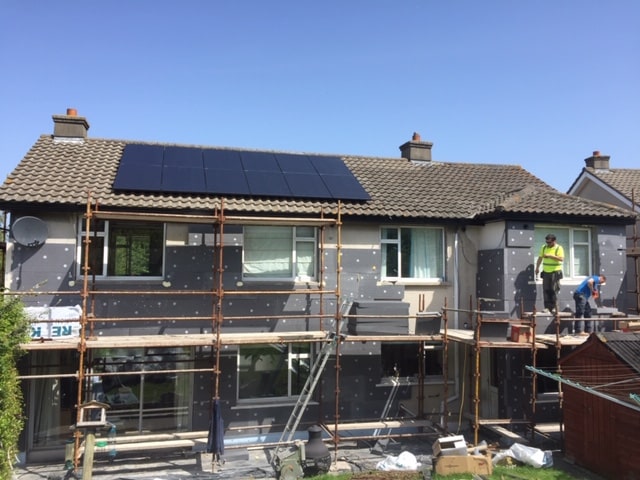
Some newer products, like solar slates or roof-integrated systems, mimic traditional materials and may be more acceptable than conventional panels.
Challenges of Solar Panels on Listed Homes
Even when panels are technically possible, listed building owners often face:
- Lengthy approval processes involving conservation officers and planning committees.
- Higher costs due to bespoke installation needs.
- Limited efficiency if panels must be hidden on shaded or less optimal roof slopes.
- Potential rejection if panels are deemed harmful to the building’s character.
Why Windows Are Often the Better Starting Point
While solar panels may be difficult to approve, windows offer a more straightforward — and often more impactful — path to energy savings.
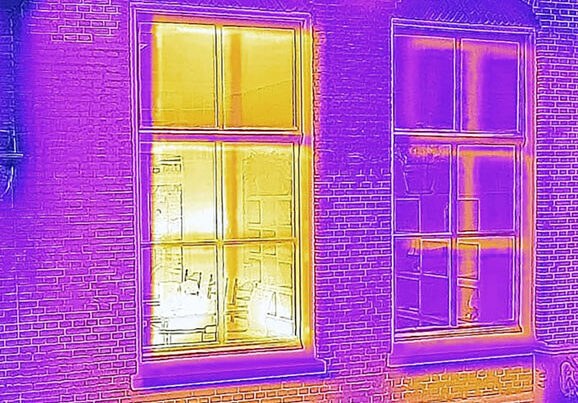
Single-glazed windows in listed properties leak enormous amounts of heat. Replacing them with standard double glazing isn’t usually allowed, as bulky frames alter the building’s appearance. Slimline double glazing has been tried, but seals often fail within 5–10 years
Fineo .Blogs 1-6 (1)
.
This is where Fineo vacuum glazing has transformed the conversation.
Fineo Vacuum Glazing: A Proven Energy Solution for Listed Homes
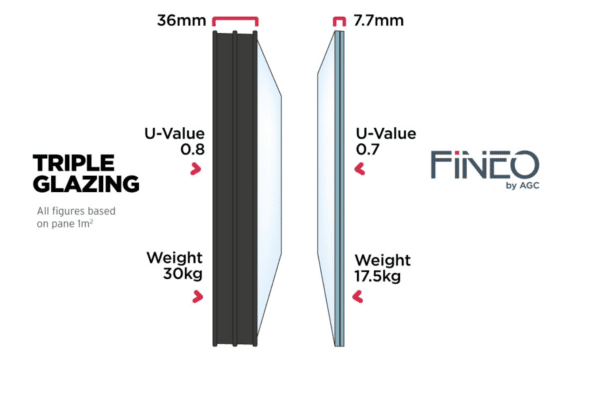
Fineo delivers the thermal performance of triple glazing in a unit just 7.7mm thick — slim enough to fit into original heritage frames
LR-25-03-31-Fineo-nieuwe-brochu…
.
Benefits for listed buildings:
- Authentic appearance: Looks identical to single glazing.
- Retrofit friendly: Installs into existing timber frames without altering sightlines.
- Energy efficiency: U-values as low as 0.7 W/m²K — better than many triple-glazed units.
- Durability: 60+ year lifespan with a 20-year warranty.
- Conservation approved: Increasingly permitted by planning authorities and even pre-approved in some areas under Local Listed Building Consent Orders.
In practice, this means Fineo often achieves more immediate and reliable energy savings than solar panels, while fully respecting conservation rules.
Balancing Heritage with Sustainability
Listed buildings account for a significant portion of the UK’s housing stock. Making them more energy efficient is essential if the UK is to meet its climate targets. But heavy-handed upgrades risk damaging historic character.
Fineo strikes the balance:
- Sustainable production: Manufactured in Belgium using low-carbon electricity and solar power.
- Recyclable materials: 100% of the glass can be recycled at end of life.
- Long lifespan: Reduces waste from repeated replacements.
So even if solar panels aren’t possible on your listed home, vacuum glazing provides a conservation-friendly way to cut energy use and carbon emissions.
Practical Advice for Homeowners
- Check your building’s listing grade. Grade I is the strictest; Grade II offers more flexibility.
- Speak to your conservation officer. Always consult before planning solar installations.
- Consider alternatives. Ground-mounted panels, solar slates, or panels hidden from view may stand a better chance of approval.
- Start with efficiency. Upgrading windows with Fineo vacuum glazing often delivers the fastest payback.
- Future-proof your home. Even if solar isn’t possible today, discreet improvements like vacuum glazing keep your property ahead of tightening energy standards.
FAQs: Can You Put Solar Panels on a Listed Building?
Can I install solar panels on the roof of my listed building?
Not without Listed Building Consent. Panels on prominent or visible roof slopes are rarely approved, but discreet locations may be considered.
What about ground-mounted solar panels?
These may be easier to approve, provided they don’t affect the setting of the building.
Are solar slates a solution for listed buildings?
Yes. Solar slates and roof-integrated systems that mimic traditional materials are more sympathetic and may be approved.
Do I need consent for solar panels on a Grade II listed property?
Yes. Even at Grade II, consent is required. Applications must demonstrate minimal visual impact.
Is it easier to improve windows than add solar panels?
Yes. Conservation officers often prefer energy efficiency measures that preserve character, like Fineo vacuum glazing, over intrusive modern additions.
If I can’t get solar panels, what else can I do?
Focus on insulation, draught-proofing, and vacuum glazing. These improvements reduce energy costs significantly and are usually easier to approve.
The Clear Choice
So, can you put solar panels on a listed building? The answer is: sometimes — but only with careful planning and consent. Panels that are visible, bulky, or out of character are unlikely to be approved. Discreet installations may succeed, but approvals vary case by case.
What’s clear is that improving your listed home’s energy efficiency doesn’t have to start with solar. Fineo vacuum glazing offers a heritage-sensitive, conservation-approved way to slash heat loss, cut bills, and boost comfort — all without altering your building’s appearance.
For many listed homeowners, Fineo is the first and most effective step toward a sustainable future. Solar panels may or may not follow, but with vacuum glazing, you’ll already be making your historic home warmer, quieter, and greener for decades to come.