How to Get Rid of Condensation Inside Double Glazing
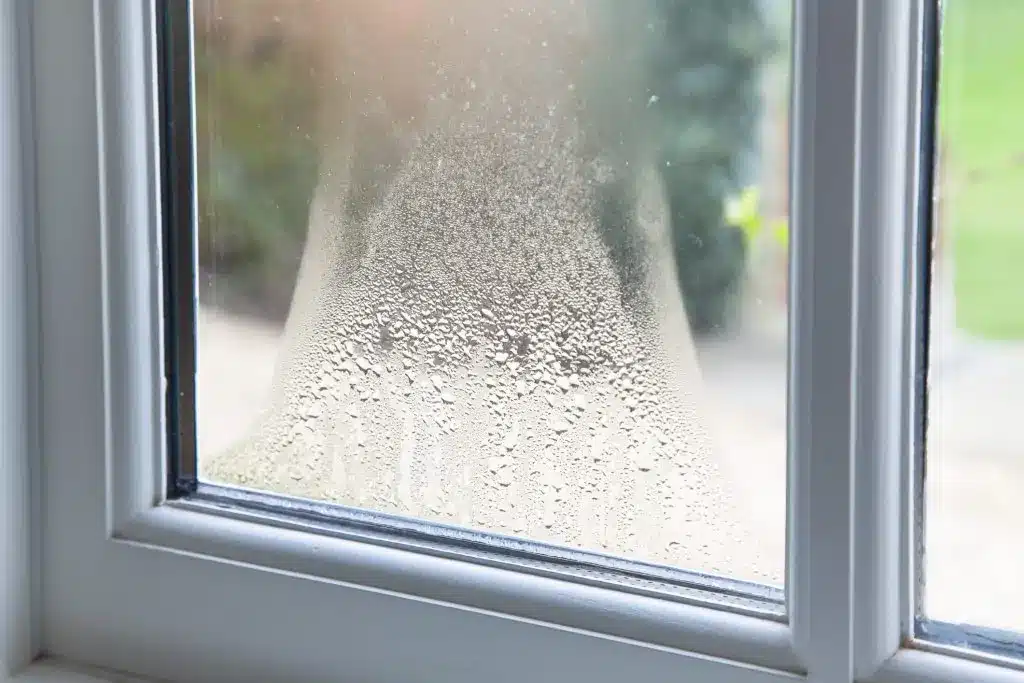
You’ve probably seen it: that misty, fogged-up layer between the panes of your double glazing. At first, it might look like ordinary condensation, the kind you wipe away with a cloth. But when it’s inside the unit — trapped between the glass layers — no amount of cleaning helps. How do you get rid of condensation inside double glazing?
It’s one of the most common issues UK homeowners face with ageing double glazing. But what actually causes this problem? And more importantly, can it be fixed — or is it time to replace the windows altogether?
Let’s explore what’s really going on when condensation forms inside your double glazing and what the long-term solutions look like.
What Causes Condensation Inside Double Glazed Windows?
Double glazed windows are built with two panes of glass separated by a cavity filled with argon or krypton gas. The cavity is sealed around the edges to keep that gas in and moisture out.
Over time, those seals deteriorate. They’re semi-porous by nature, and constant exposure to sunlight, temperature fluctuations, and weather eventually breaks them down. Once that happens:
- The insulating gas leaks out.
- Moisture creeps into the cavity.
- The inside of the window fogs up with condensation.
This is why the problem is technically called seal failure. Once the seal is compromised, the window loses its insulating properties and starts to mist permanently.
Why Does Seal Failure Happen?
There are several reasons seals break down:
- Age of the window: Standard double glazing usually lasts 10–15 years before seals fail.
- Poor installation: Incorrect fitting stresses the frame and seals.
- Frame movement: Timber and uPVC expand and contract with heat and cold, creating gaps.
- Exposure to sunlight: UV rays degrade sealant materials over time.
- Moisture ingress: Damp environments speed up deterioration.
Even the best-made units aren’t immune. It’s not a matter of if double glazing will fail, but when.
Can You Get Rid of Condensation Inside Double Glazing?
Here’s the hard truth: once condensation forms inside a sealed unit, there’s no simple fix. Because the problem is caused by a failed seal, wiping, dehumidifying, or airing the room won’t help — the moisture is trapped between the panes.
Some companies offer “defogging” services, drilling tiny holes in the glass to let out moisture. But this doesn’t restore the insulating gas or prevent new condensation. At best, it’s a temporary cosmetic fix.
In almost all cases, the only real solution is replacing the failed glazing unit.
Short-Term Fixes vs Long-Term Solutions
Short-Term Cosmetic Fixes
- Defogging services: May clear mist temporarily but don’t restore insulation.
- Anti-condensation sprays: Mask the problem without addressing the cause.
Long-Term Solution
- Replacement of the glazing unit: The only way to restore thermal performance and permanently get rid of internal condensation.
For homeowners facing multiple failed units, it often makes more sense to upgrade to a longer-lasting technology rather than repeatedly replacing standard double glazing.
Comparing Options for Replacement
When condensation forces a replacement, homeowners typically weigh three options:
1. Replace with Standard Double Glazing
- Lifespan: 10–15 years
- U-value:2–1.5 W/m²K
- Risk: Same seal failure will eventually occur.
2. Upgrade to Triple Glazing
- Lifespan: 15–20 years
- U-value:8–1.0 W/m²K
- Risk: Still relies on gas-filled cavities and seals that degrade.
3. Invest in Vacuum Glazing (Fineo)
- Lifespan: 60+ years
- U-value:4–0.7 W/m²K
- Benefit: Hermetically sealed vacuum space never loses performance.
Vacuum glazing eliminates the problem entirely because there’s no gas to leak and no porous seals to fail. Fineo’s metallic edge seals are designed to last decades, backed by a 20-year warranty and a minimum 60-year service life.
Why Vacuum Glazing Ends the Condensation Problem
Vacuum glazing works differently from gas-filled units:
- No argon to escape. Performance doesn’t decline over time.
- Hermetic seals. Prevent moisture ingress permanently.
- Ultra-slim profile. At just 7.7mm thick, Fineo fits heritage timber frames.
- Tested to last three to four times longer than double glazing.
In other words, condensation inside the panes is a problem unique to gas-filled glazing. With vacuum glazing, it simply doesn’t happen.
Environmental and Financial Impact
Replacing misted double glazing repeatedly creates waste and expense:
- Financial: Each replacement costs hundreds of pounds per window, adding up over decades.
- Environmental: Failed units are hard to recycle, with seals and gas complicating disposal.
Fineo vacuum glazing is fully recyclable, manufactured using low-carbon energy in Belgium, and avoids the cycle of replacements. That means one installation can last a lifetime, reducing both household costs and environmental footprint.
Tips for Homeowners Facing Condensation
- Check your warranty. Many double glazing units are covered for 10 years — if you’re within this window, you may be eligible for free replacement.
- Replace failed units promptly. Once a seal has failed, insulation drops, leading to higher heating bills.
- Upgrade strategically. If multiple windows are misting, consider upgrading to vacuum glazing rather than repeating the replacement cycle.
- Use professional installers. Proper installation ensures maximum lifespan.
- Think long-term. Weigh upfront cost against 60 years of performance when considering Fineo vacuum glazing.
FAQs: How to Get Rid of Condensation Inside Double Glazing
Why can’t I just wipe away condensation inside double glazing?
Because the moisture is trapped between the sealed panes. Wiping only clears external condensation, not internal misting.
Can drilling a hole in the glass fix condensation?
No. It may temporarily release moisture but won’t restore the insulating gas or stop more moisture entering. It also weakens the glass.
How long do double glazed windows last before condensation starts?
On average, 10–15 years. Slimline units often fail sooner (5–10 years).
Is triple glazing immune to condensation?
No. Triple glazing also relies on gas-filled cavities and seals that eventually fail, though usually after 15–20 years.
Does vacuum glazing suffer from condensation problems?
No. Fineo vacuum glazing uses hermetic seals and contains no gas to escape, so condensation inside the panes is eliminated.
What’s the most cost-effective solution long-term?
Vacuum glazing. While the upfront cost is higher, its 60+ year lifespan means you avoid replacing misted double glazing multiple times, saving money and reducing waste.
The Clear Choice
Condensation inside double glazed windows is a tell-tale sign of seal failure — and unfortunately, it can’t be wiped away or permanently repaired. For most homeowners, that means replacing the glazing unit.
But replacing failed double glazing every decade quickly becomes expensive and wasteful. Vacuum glazing offers a smarter solution. With hermetic seals, no insulating gas to leak, and a lifespan exceeding 60 years, Fineo vacuum glazing ends the condensation problem for good.
Whether you’re restoring a heritage home, upgrading a modern property, or simply tired of misted windows, Fineo provides clarity, efficiency, and peace of mind that lasts for generations.