How Long Do Double Glazed Windows Last?
 For decades, double glazed windows have been the go-to solution for UK homeowners looking to cut energy bills, reduce noise, and improve comfort. But here’s the truth many people discover too late: double glazing doesn’t last forever. Those shiny new units you had installed 10 or 15 years ago may already be losing performance — even if they still look fine.
So how long should double glazed windows actually last? And what options exist if you want better durability and efficiency without having to replace them every decade? Let’s dig into the facts.
The Average Lifespan of Double Glazing
Most standard double glazed windows in the UK last between 10 and 15 years before they start to show signs of deterioration. In some cases, high-quality units can last up to 20 years, but that’s the exception, not the rule.
Why the variation? It comes down to one crucial detail: the seals. Double glazing relies on butyl or polymer edge seals to trap argon or krypton gas between the panes. Over time, those seals degrade. They’re semi-porous by nature, meaning gas leaks out slowly while moisture seeps in.
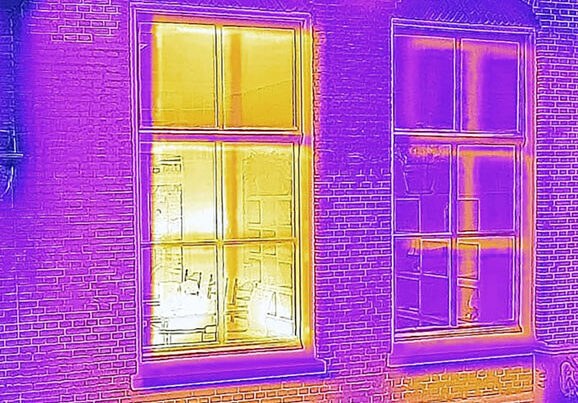
Once the gas escapes, insulation levels plummet. Your window still looks intact, but its thermal performance is a shadow of what it was when first installed.
What Causes Double Glazing to Fail?
Several factors can shorten the lifespan of double glazed units:
- Seal failure: The number one culprit. Exposure to UV light, temperature swings, and moisture breaks down seals, causing the gas to leak.
- Condensation between panes: Once seals fail, moisture fogs up the cavity, leaving permanent misting that can’t be cleaned away.
- Frame movement: uPVC and timber frames expand and contract with temperature. Over time, this stresses the glass and seals, causing cracks or leaks.
- Poor installation: Even the best glass won’t last long if incorrectly fitted. A bad installation accelerates stress on seals and frames.
- Low-quality manufacturing: Cheaper units with thinner seals or poorly applied coatings fail faster.
In other words, the weak link in traditional double glazing is built into the design.
Signs Your Double Glazing Is Failing
Not sure if your windows are past their best? Here are the common red flags:
- Misting or condensation trapped between the panes.
- Draughts or noticeable cold spots around the window.
- Rising heating bills despite no other changes in your home.
- Frames that are difficult to open or close due to warping from moisture ingress.
- A general sense that rooms feel colder than they used to.
If you’ve spotted any of these signs, your glazing is probably already underperforming.
How Double Glazing Performance Declines Over Time
At first, the decline is invisible. The argon gas escapes so gradually that you won’t notice year to year. But tests show that after around 10 years, most standard units have already lost enough gas to reduce thermal efficiency significantly.
By 15 years, many windows are operating at only half their original insulation capacity. By 20 years, they’re typically failing outright — with misting, draughts, or even cracked seals.
That’s why guarantees for standard double glazing are often capped at 10 years. Manufacturers know performance drops rapidly after that point.
Comparing Lifespans: Double Glazing vs Alternatives
Let’s look at how standard double glazing stacks up against other technologies:
| Window Type | Average Lifespan | Warranty | Notes |
| Slimline Double Glazing | 5–10 years | 5 years | Narrow seals fail quickly, often misting within a decade. |
| Standard Double Glazing | 10–15 years | 10 years | Gas leakage and condensation common after 10 years. |
| Triple Glazing | 15–20 years | 15 years | Longer lasting, but heavy and costly to replace. |
| Vacuum Glazing (Fineo) | 60+ years | 20 years | No gas to leak, hermetic seals, fully recyclable, designed for long-term performance. |
The difference is stark. While most glazing solutions require at least one or two replacements over a homeowner’s lifetime, Fineo vacuum glazing is designed to last for over half a century.
Why Vacuum Glazing Lasts So Much Longer
The longevity of vacuum glazing comes down to its design. Instead of depending on gas-filled cavities and semi-porous seals, vacuum glazing uses a hermetically sealed vacuum space that never degrades.
Here’s why it outperforms double glazing:
- No noble gases to escape. Double glazing relies on argon or krypton, which slowly leaks. Vacuum glazing contains nothing to leak out.
- Stronger perimeter seals. Fineo uses metallic edge seals far more durable than butyl.
- Resistant to moisture ingress. Hermetic sealing prevents condensation between panes.
- Designed lifespan of 60 years. Fineo’s construction is validated through EU durability tests, far exceeding the industry minimum.
In fact, Fineo comes with a 20-year warranty and a minimum service life of 60 years, compared to 10–15 years for conventional double glazing.
The Cost of Frequent Replacements
A point often overlooked is the financial burden of replacing double glazing every 10–15 years. Each replacement involves not just the glass but often frame adjustments, disposal of old units, and installation costs.
Multiply this over a 50–60 year period — the lifetime of a typical homeownership — and you could be looking at three or four rounds of double glazing replacements.
By contrast, vacuum glazing is a one-time investment. While the upfront cost is higher, it quickly pays for itself when you factor in:
- Energy savings from U-values as low as 0.7 W/m²K.
- Avoided replacement costs.
- Increased comfort and property value.
It’s a classic case of buy cheap, buy twice.
Heritage and Conservation Benefits
For homeowners in listed or conservation properties, lifespan matters even more. Heritage windows are often expensive to restore, and repeat glazing replacements can be both disruptive and costly.
Because Fineo vacuum glazing is only 7.7mm thick and fits into existing frames, it eliminates the need for ongoing disruptive work. More importantly, it provides an almost invisible upgrade that conservation officers regularly approve.
Environmental Impact of Longevity
Every time double glazing is replaced, new glass has to be manufactured, transported, and installed. Old units often end up in landfill, particularly when seals fail and recycling becomes difficult.
Vacuum glazing avoids this waste cycle. Fineo is:
- 100% recyclable at end-of-life.
- Made in Belgium using low-carbon electricity and solar.
- Durable for 60+ years, reducing manufacturing and transport emissions across its lifecycle.
In sustainability terms, one installation of Fineo replaces four rounds of standard double glazing. That’s a massive reduction in carbon footprint.
Can I repair failing double glazing instead of replacing it?
In most cases, no. Once the seals fail and the gas escapes, the insulating performance cannot be restored. The unit usually needs replacing.
How do I know if my double glazing has failed?
Signs include misting between panes, draughts, higher heating bills, or frames becoming difficult to operate due to moisture damage.
Does triple glazing last longer?
Yes, triple glazing typically lasts 15–20 years, but it still relies on gas-filled cavities and porous seals, so it eventually fails too. It’s also heavy, which can put strain on frames.
How long does Fineo vacuum glazing last?
Fineo comes with a 20-year warranty and has been tested to last over 60 years — more than three times longer than standard double glazing. It avoids gas leakage and uses robust hermetic seals, ensuring consistent performance.
Is vacuum glazing worth the extra cost compared to replacing double glazing?
Absolutely. While upfront costs are higher, Fineo avoids the expense of multiple replacements, reduces energy bills significantly, and delivers unmatched sustainability benefits.