Understanding the Truth About Window Technology
 No, standard double glazed windows do not contain a vacuum. They’re filled with argon gas or dehydrated air between two glass panes. However, vacuum glazing is a completely different technology that does create an actual vacuum between glass surfaces, offering superior thermal and acoustic performance.
If you’ve ever wondered what’s actually between those two panes of glass in your windows, you’re not alone. It’s one of those questions that seems straightforward but reveals a fascinating world of window technology that most homeowners never really think about. Let me walk you through what’s really going on in your double glazing — and introduce you to the game-changing technology that’s revolutionising heritage properties across the UK.
What Actually Fills the Gap in Standard Double Glazing?
Here’s what surprised me when I first started researching window technology: that cavity in your double glazed windows isn’t empty, and it certainly isn’t a vacuum. British double glazing predominantly uses argon gas, with the typical setup being 4mm glass, a 20mm argon-filled cavity, and another 4mm glass pane — creating a total thickness of 28mm.
Why argon? Well, this noble gas is about as exciting as watching paint dry — colourless, odourless, and completely inert. But that’s exactly what makes it perfect for the job. It’s denser than air, which means heat has a harder time passing through it. Think of it like trying to walk through water versus walking through air — the denser medium slows you down.
Some manufacturers use krypton or xenon gases for even better performance, but honestly, the cost jumps significantly. Argon performs optimally at cavity widths between 14-16mm, which explains why UK manufacturers have standardised around that 20mm sweet spot — it’s a practical balance between performance and what actually fits in your window frames.
But here’s the catch that glazing companies don’t shout about: those butyl seals around the edges? They’re semi-porous. Over time — typically three to ten years — the gas gradually escapes. It’s like a very slow puncture in a tyre. You won’t notice it happening, but one day you’ll wonder why your windows aren’t performing like they used to.
The Science Behind True Vacuum Glazing Technology
Now, vacuum glazing — that’s where things get genuinely interesting. Remember those vacuum flasks that keep your coffee hot for hours? Vacuum glazing works on exactly the same principle. By removing all the air between two glass panes, you eliminate heat transfer through conduction and convection entirely.
The engineering challenge is mind-boggling when you think about it. Atmospheric pressure wants to crush those glass panes together with tremendous force. To prevent this, manufacturers place microscopic support pillars between the panes — typically 0.15-0.3mm in diameter, spaced about 20mm apart. These tiny pillars are practically invisible to the naked eye but strong enough to resist atmospheric pressure.
| Feature | Standard Double Glazing | Vacuum Glazing |
| Cavity Width | 20-28mm | 0.2-0.5mm |
| Filling | Argon/Krypton gas | Vacuum |
| Total Thickness | 24-36mm | 6-8.3mm |
| U-value | 1.1-1.5 W/m²K | 0.4-0.7 W/m²K |
| Typical Warranty | 10 years | 15-20 years |
What’s remarkable is that the vacuum cavity measures just 0.2-0.5mm — thinner than a credit card — yet provides better insulation than a 20mm gas-filled cavity. Physics doesn’t care whether your vacuum spans millimetres or the vastness of space; heat simply cannot cross it through conduction or convection.
Why Does This Matter for UK Homeowners?

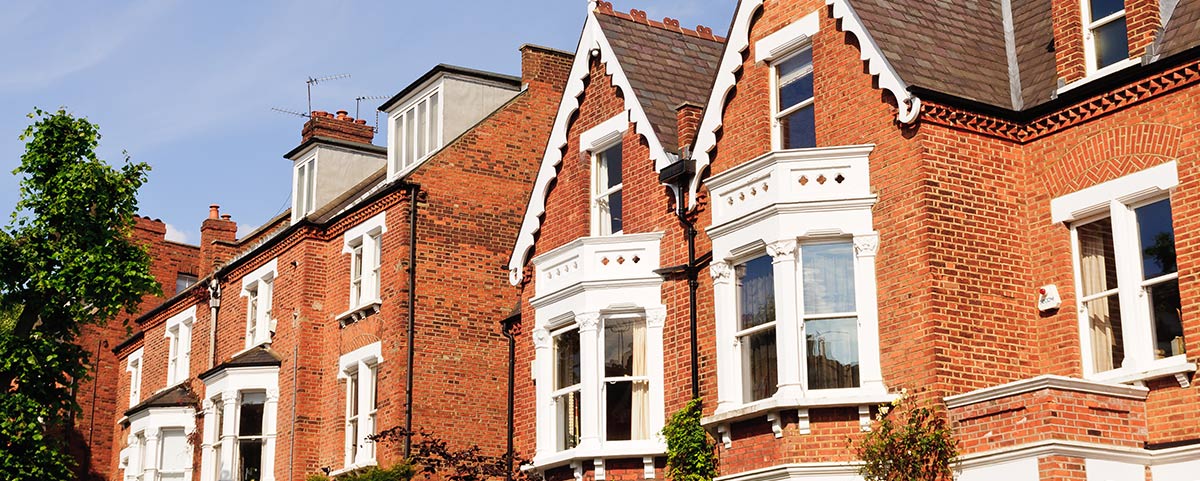
If you’re sitting in a period property right now, chances are you’re facing a dilemma. Your beautiful sash windows are architectural gems, but they’re also energy sieves. Standard double glazing would mean ripping out those original frames and installing chunky modern units that would make your local conservation officer weep.
This is where vacuum glazing becomes a game-changer. At just 7.7mm thick, Fineo vacuum glazing fits into existing timber frames like it was always meant to be there. You keep the original aesthetics while achieving thermal performance that beats triple glazing.
*Insert image of heritage sash window retrofitted with vacuum glazing here*
Denis Hussein, who’s been working with vacuum glazing installations, told me something that really stuck: “Homeowners often focus solely on the higher upfront cost of vacuum glazing compared to conventional gas-filled double glazing, without fully accounting for its exceptional longevity and low maintenance requirements.” He’s right — when you factor in that vacuum glazing can last over 60 years compared to the 10-15 year typical lifespan of standard units, the maths starts looking very different.
Performance Comparison: Numbers That Actually Mean Something
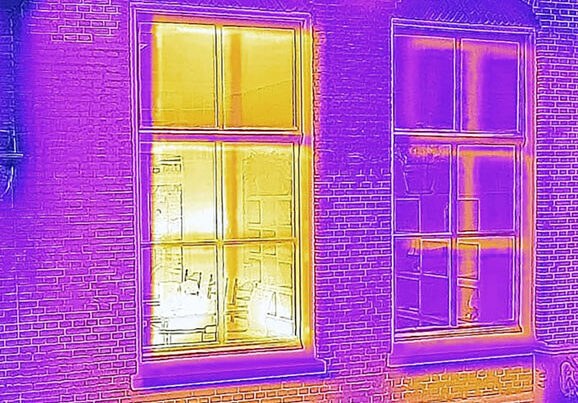
Let me put this in perspective. Vacuum glazing achieves U-values as low as 0.4-0.7 W/m²K compared to standard double glazing’s 1.1-1.5 W/m²K. In plain English? That’s like comparing a modern electric car to a 1970s gas guzzler.
But it’s not just about heat. Sound reduction with vacuum glazing can reach 36-39 dB compared to about 32 dB for conventional double glazing. That might not sound like much, but on the decibel scale, it’s the difference between a busy street sounding like a quiet library.
Weight is another factor people overlook. Vacuum glazing weighs about two-thirds less than equivalent performance conventional double glazing. For older buildings, this means less stress on those century-old window frames.
The Heritage Building Revolution
Here’s where it gets really exciting for owners of listed buildings. Historic England has approved vacuum glazing for use in heritage properties. The Royal Borough of Kensington and Chelsea has even created a Local Listed Building Consent Order that permits vacuum glazing installations without individual consent applications.
Why? Because vacuum glazing solves the impossible equation: modern performance in a package that looks exactly like single glazing. No bulky frames, no double reflections, no arguments with planning officers.
I’ve seen Georgian townhouses in Bath where the owners replaced failing single glazing with vacuum units. From the street, you’d never know. But inside? The transformation is remarkable — warmer rooms, lower heating bills, and that blessed silence from street noise.
Common Misconceptions and Reality Checks
Let’s address the elephant in the room: cost. Yes, vacuum glazing costs more upfront than standard double glazing. But comparing them is like comparing a Rolex to a Casio — they both tell the time, but one’s an investment that lasts generations.
Denis mentioned another misconception: “Homeowners may not realize that while standard double glazing typically has a 10-year guarantee, and slimline double glazing can fail after only a few years due to seal degradation, vacuum glazing like Fineo boasts a 20-year warranty and an expected lifespan of over 60 years.”
There’s also confusion about those micro-pillars I mentioned. Some people worry they’ll be visible, but at normal viewing distances, they’re practically invisible. The human eye simply can’t focus on something that small when looking through a window at the world beyond.
Environmental Impact: The Bigger Picture
In our climate-conscious world, the environmental credentials matter. Standard double glazing requires energy-intensive noble gas production, and those gases eventually leak out. Vacuum glazing? It’s 100% recyclable and contains no gases to escape.
Manufacturing location matters too. Fineo is manufactured in Belgium using low-carbon electricity and on-site solar panels. Compare that to products shipped from China, and the carbon footprint difference becomes stark.
The longevity factor multiplies these benefits. If vacuum glazing lasts 60 years versus 15 for standard units, you’re looking at one installation versus four replacements. That’s a lot of manufacturing, transport, and disposal avoided.
Future-Proofing Your Property
With the UK’s Future Buildings Standard requiring window U-values of 0.8 W/m²K by 2025, many standard double glazing units won’t make the cut. Vacuum glazing already exceeds these future requirements, making it a smart investment for long-term compliance.
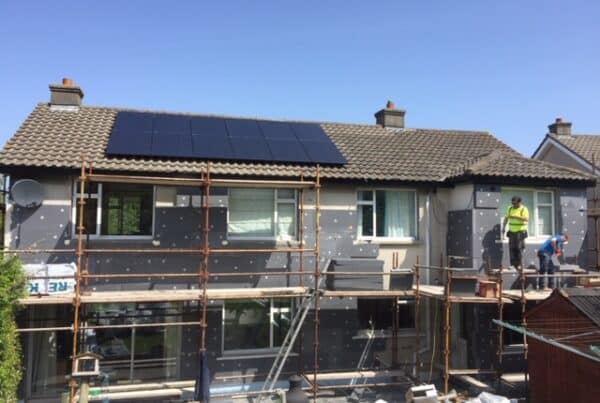
*Insert image of modern home with vacuum glazing installation here*
The market is evolving rapidly. What was once a niche product for heritage buildings is becoming mainstream as homeowners recognise the long-term value. Manufacturing capacity is expanding, and while prices remain premium, the gap is narrowing.
Making the Right Choice for Your Home
So, do double glazed windows have a vacuum? Standard ones don’t — they’re filled with gas that slowly escapes. But vacuum glazing technology offers something far superior: true vacuum insulation that lasts decades, performs brilliantly, and respects your property’s character.
For heritage property owners, the choice seems clear. Vacuum glazing offers the only real solution that satisfies conservation requirements while delivering 21st-century performance.
Even for modern homes, the long-term economics make sense. Higher upfront cost, yes. But factor in the energy savings, the longevity, the lack of maintenance, and the superior comfort, and vacuum glazing starts looking less like an expense and more like an investment.
Can vacuum glazing really be retrofitted into my existing Georgian sash windows without changing the frames?
Yes, absolutely. Vacuum glazing like Fineo measures just 7.7mm thick, making it perfect for retrofitting into original timber frames. The slim profile means you maintain the original sightlines and aesthetics while achieving thermal performance that exceeds modern building regulations. Many heritage projects across the UK have successfully retrofitted vacuum glazing without any visible changes to the exterior appearance.
How long does the vacuum actually last in vacuum glazing compared to gas in standard double glazing?
The vacuum in quality vacuum glazing is designed to last the lifetime of the unit — typically 60+ years. Unlike gas-filled double glazing where argon escapes through semi-porous seals within 3-10 years, vacuum glazing uses hermetically sealed edges that maintain the vacuum indefinitely. This is why manufacturers like Fineo offer 20-year warranties compared to the standard 10-year warranties on gas-filled units.
What happens if one of those tiny support pillars in vacuum glazing breaks?
The micro-pillars in vacuum glazing are incredibly robust and distributed across the entire pane, so localised damage to one or two pillars won't affect the unit's performance. These pillars are designed to withstand atmospheric pressure many times over. In the extremely unlikely event of widespread pillar failure, the glass panes would simply touch at that point, creating a small thermal bridge but not compromising the vacuum or overall insulation significantly.
Is vacuum glazing worth the extra cost for a modern home that isn't listed or in a conservation area?
While vacuum glazing particularly shines in heritage applications, modern homes benefit significantly too. The superior U-values (0.7 W/m²K or better) mean lower heating bills, the excellent acoustic performance creates quieter interiors, and the 60+ year lifespan means you'll likely never need to replace them. When you calculate the total lifetime cost including energy savings and avoided replacements, vacuum glazing often works out more economical than standard double glazing.
Can vacuum glazing units be made in unusual shapes for Gothic or arched windows in period properties?
Yes, vacuum glazing can be manufactured in various shapes including arches, circles, and Gothic designs. Fineo, for instance, offers shaped glass options specifically for heritage window restoration. This versatility is crucial for listed buildings where maintaining the original window design is mandatory. The manufacturing process allows for the same high performance regardless of the glass shape, ensuring even unusually shaped windows can benefit from modern thermal efficiency.
The Clear Choice for Your Windows
Understanding what’s really between your window panes — or what could be — opens up possibilities you might never have considered. Standard double glazing served us well for decades, but technology has moved on. Vacuum glazing represents the next evolution, particularly for those of us in period properties who refuse to compromise between heritage and comfort.
Whether you’re battling condensation in a Victorian terrace, trying to meet conservation requirements in a Georgian townhouse, or simply want the best possible performance for your home, vacuum glazing offers a solution that standard gas-filled units simply can’t match.
The question isn’t really whether double glazed windows have a vacuum — it’s whether your windows are working as hard as they could be for your comfort, your energy bills, and your property’s future. For an increasing number of UK homeowners, vacuum glazing is providing the answer.
Ready to explore how vacuum glazing could transform your property? Get in touch with our experts to discuss your specific requirements and discover why Fineo vacuum glazing is becoming the choice for discerning property owners across the UK.